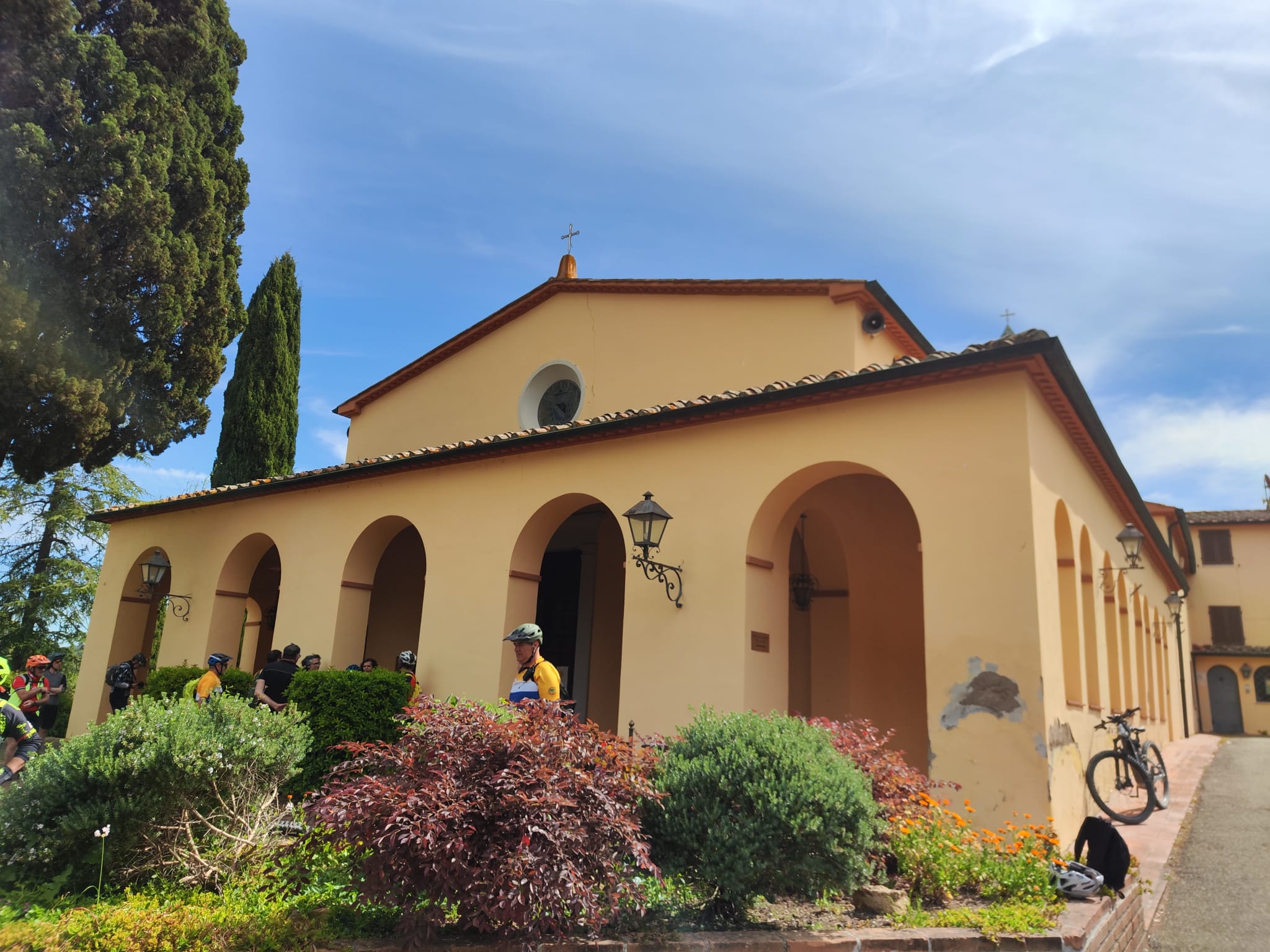
SANTUARIO DEL FRASSINE E GEOTERMIA
INTERMEDIUM
Gallery

Description
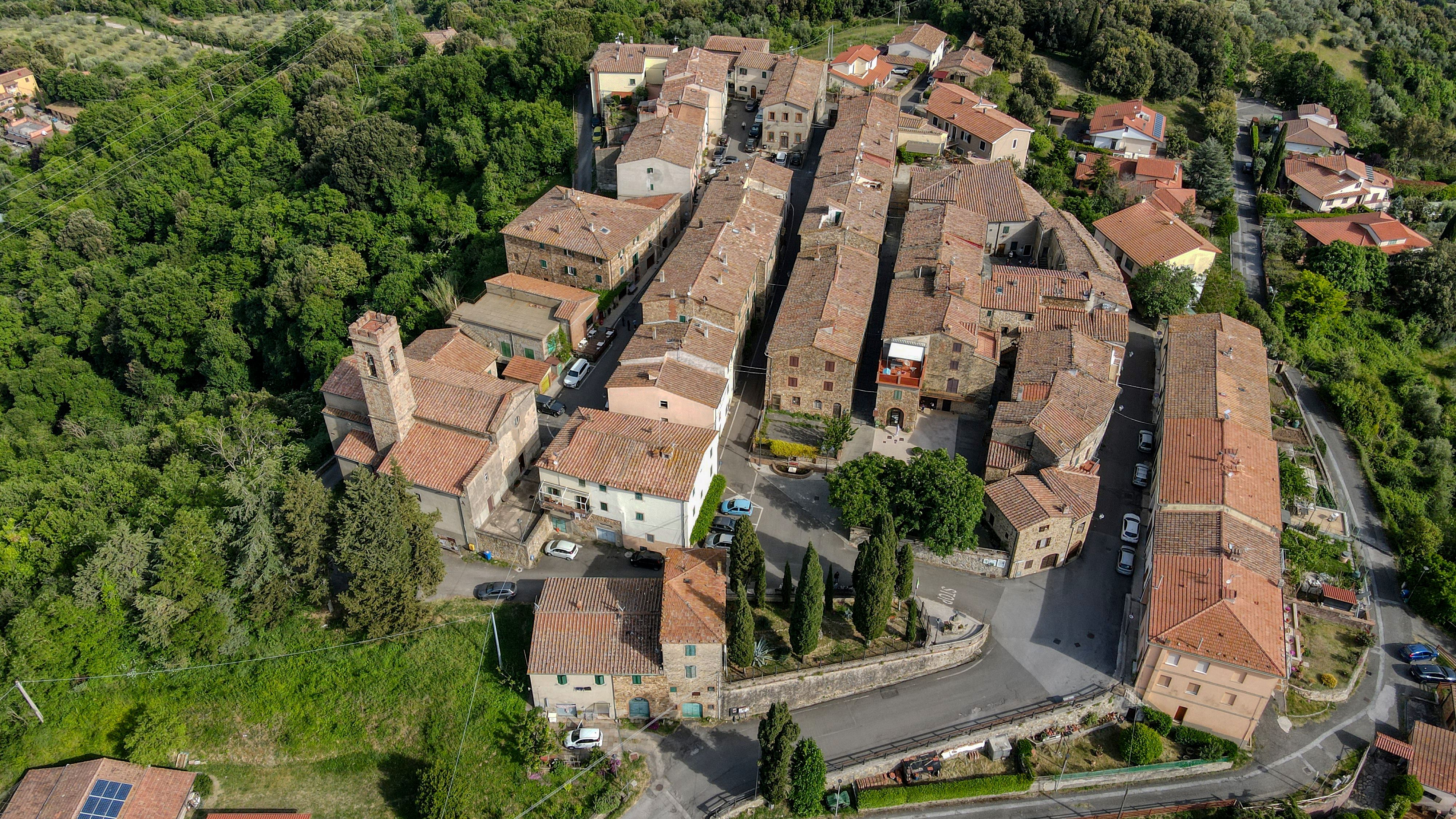
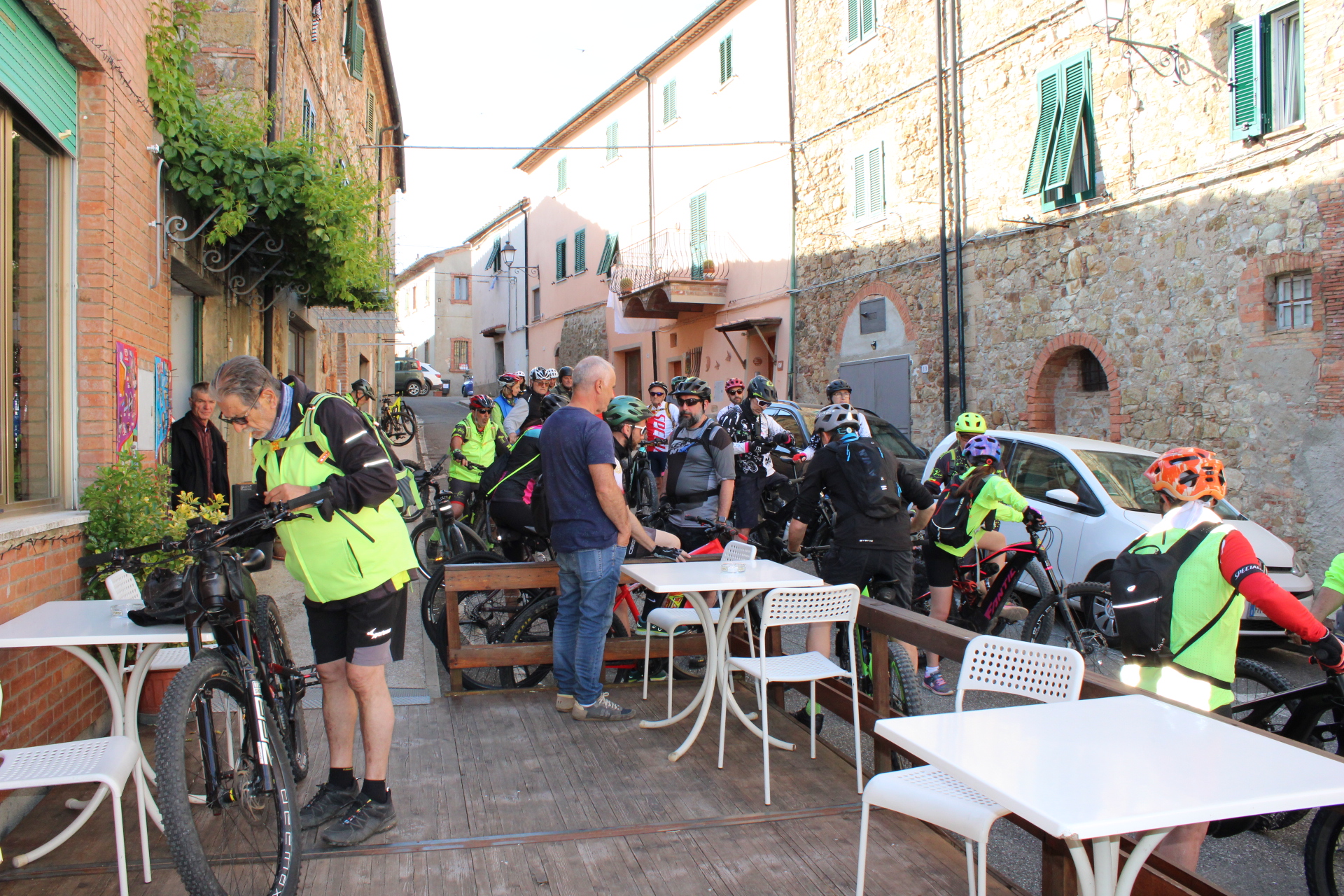
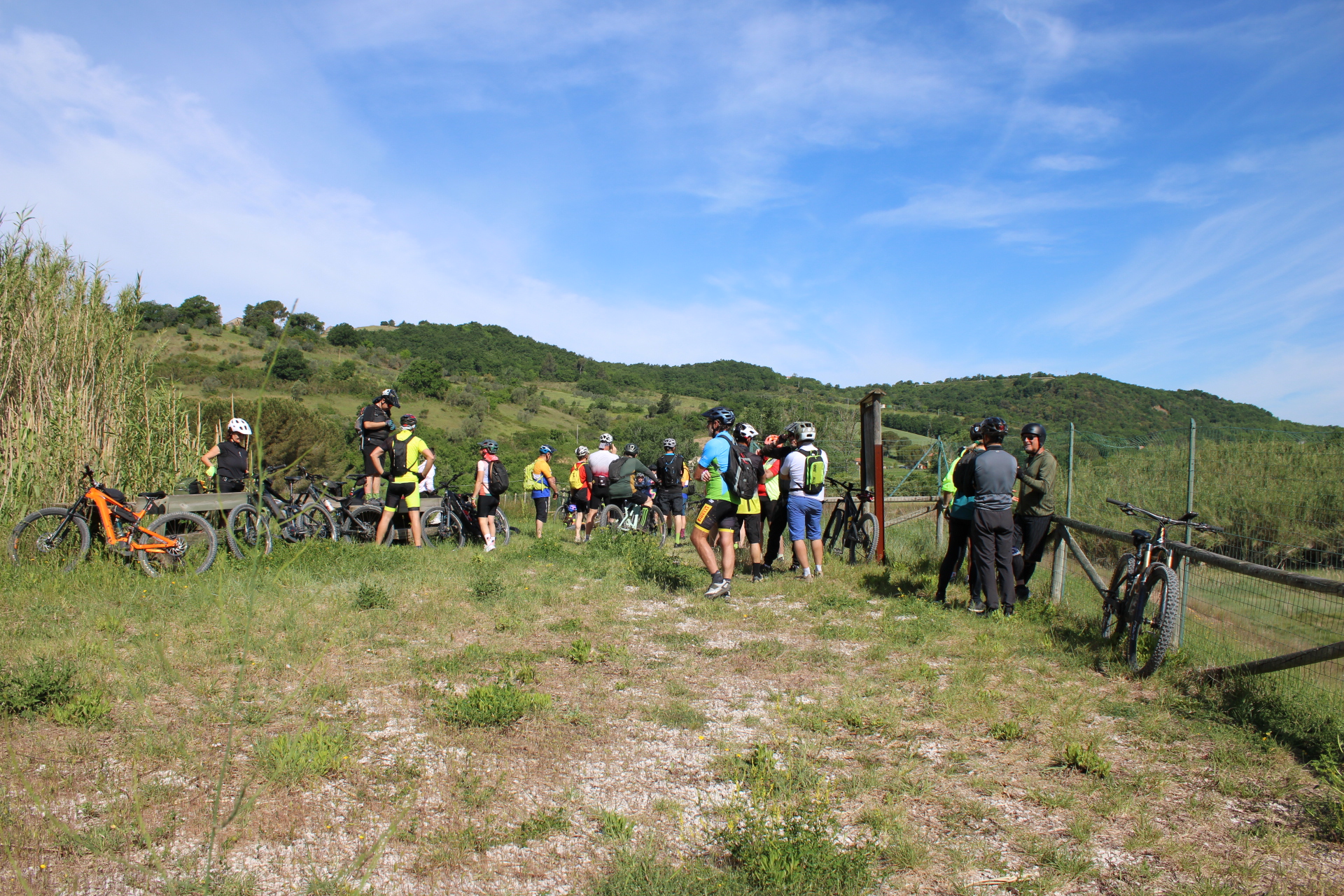
A loop hike from Lustignano to the Sanctuary of Frassine, passing by a geothermal site and returning to Lustignano via the Lagoni Rossi.
Explore the track
Download Track GPX Total Distance 21.5 km
Total Ascent 452 m
Total Descent 451 m
Maximum Elevation 434 m
What can you see?
fauna
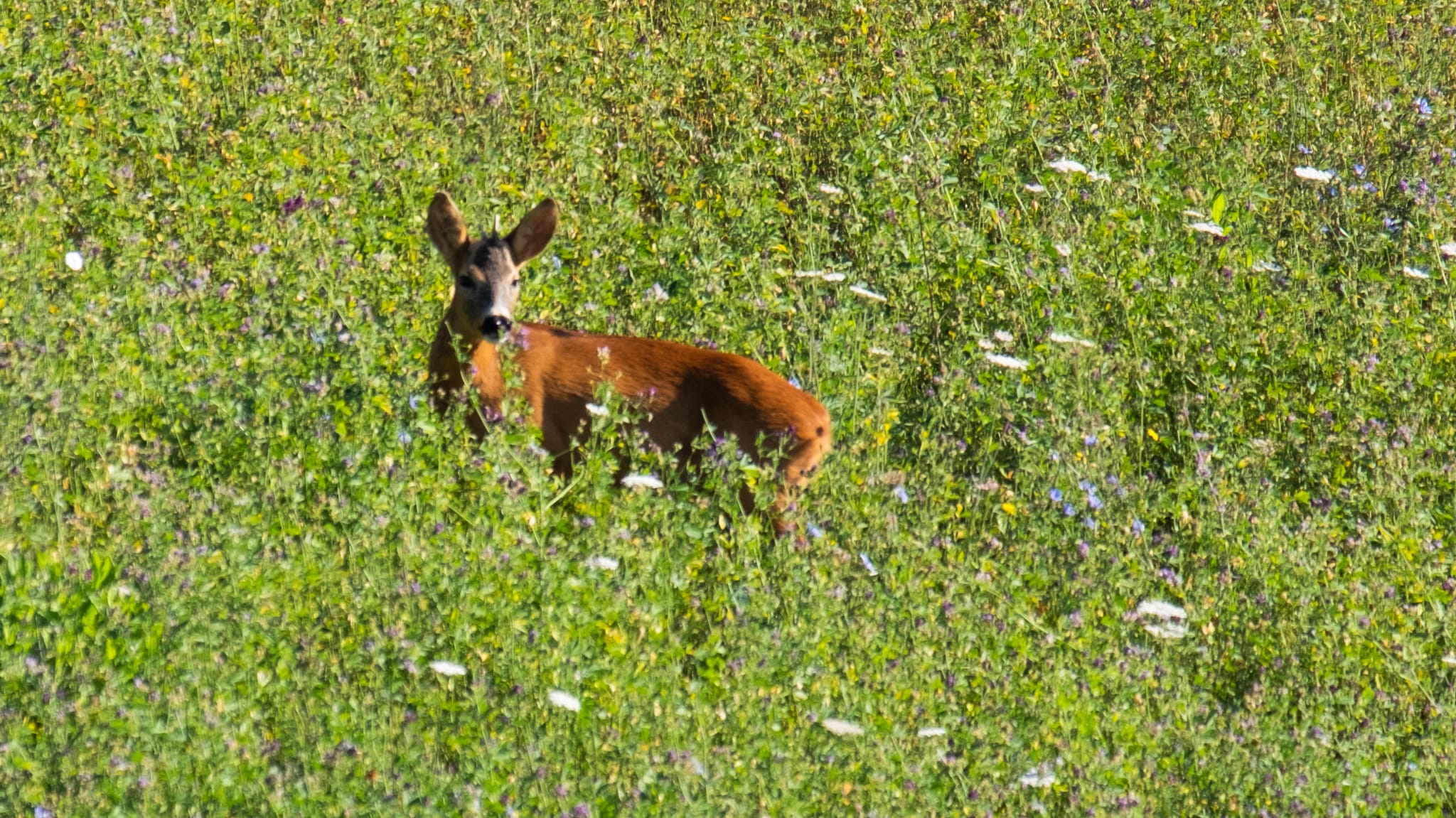
Roe Deer
The roe deer is a small-sized cervid, measuring 90–130 cm in length and standing 55–77 cm tall at the shoulder. It weighs between 10 and 35 kg. Its coloration ranges from reddish to brown, with a grayish muzzle; in summer, its coat is tawny. The throat, underparts, and perianal region—known as the "anal patch" or "mirror"—are white. The tail is extremely short and does not protrude through the fur; in females, a tuft of cream-colored hair covers the genital area, referred to as the "false tail." The male possesses small antlers, typically featuring three points per side in adult individuals; these are shed annually between October and December and regrow at the end of winter. The antlers are composed of bone tissue and, like those of other cervids, are covered by a layer of skin tissue known as velvet. This velvet, in turn, is shed annually between March and April. It feeds several times a day (8 to 12 times); during the summer, it also forages at night. Its diet consists of various grasses, bark, leaves, shoots from broadleaf trees and conifers, and fruits.
flora
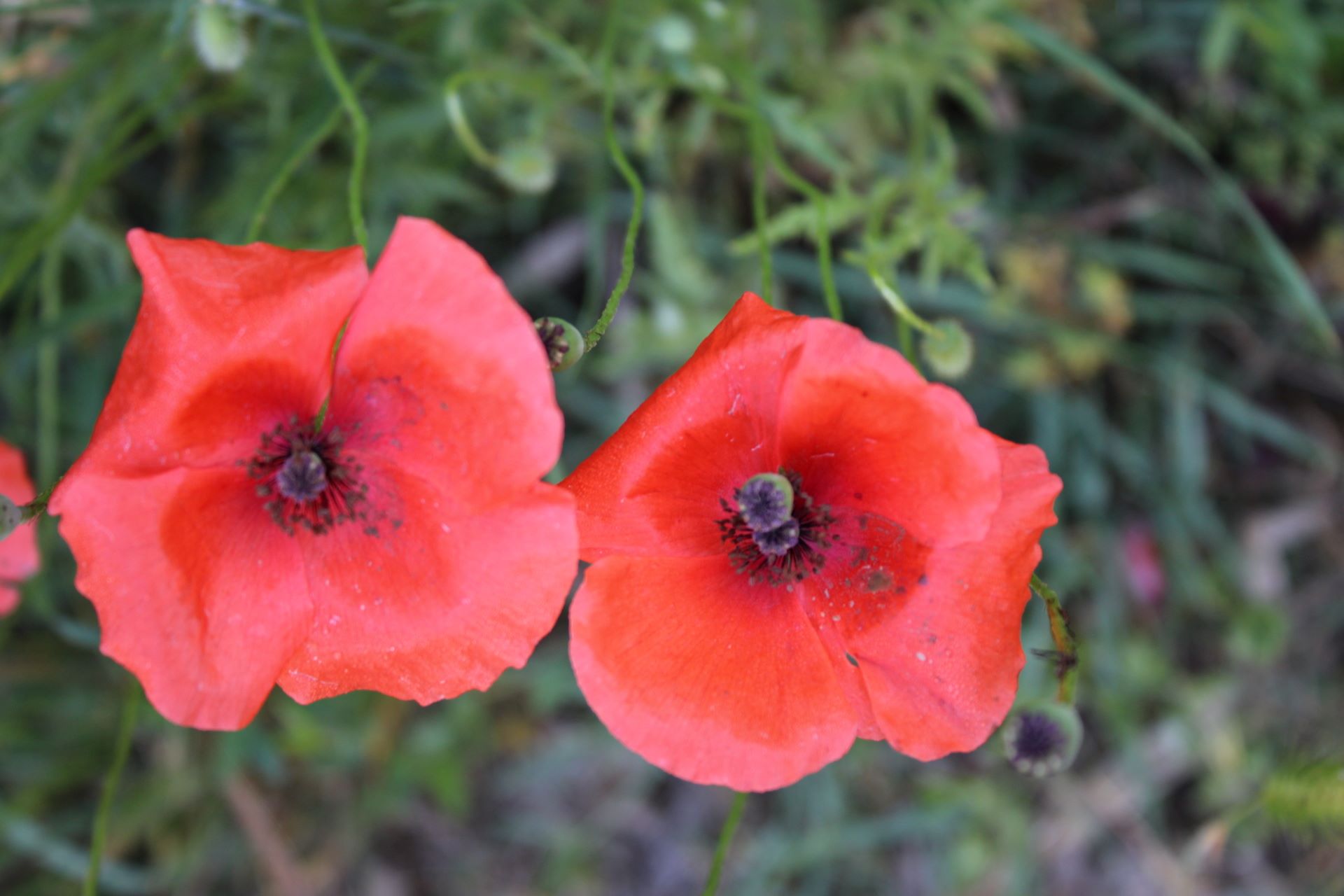
POPPY
Poppies are short-lived herbaceous plants; they can be annuals, biennials, or even perennials. Some species are monocarpic and die after flowering. A poppy can exceed one meter in height and bear flowers up to 15 cm in diameter. The flowers of wild species (as opposed to cultivars) have 4 or 6 petals, numerous stamens that form a striking whorl at the center of the flower, and a pistil composed of many fused carpels. The petals display a variety of vivid colors, and some feature black spots at their base. The petals appear crumpled at the onset of flowering, but remain fully unfurled until they eventually drop. In temperate regions, poppies bloom from spring through early summer. Most species secrete latex when injured. Bees utilize poppies as a source of pollen.
fauna
CURLY
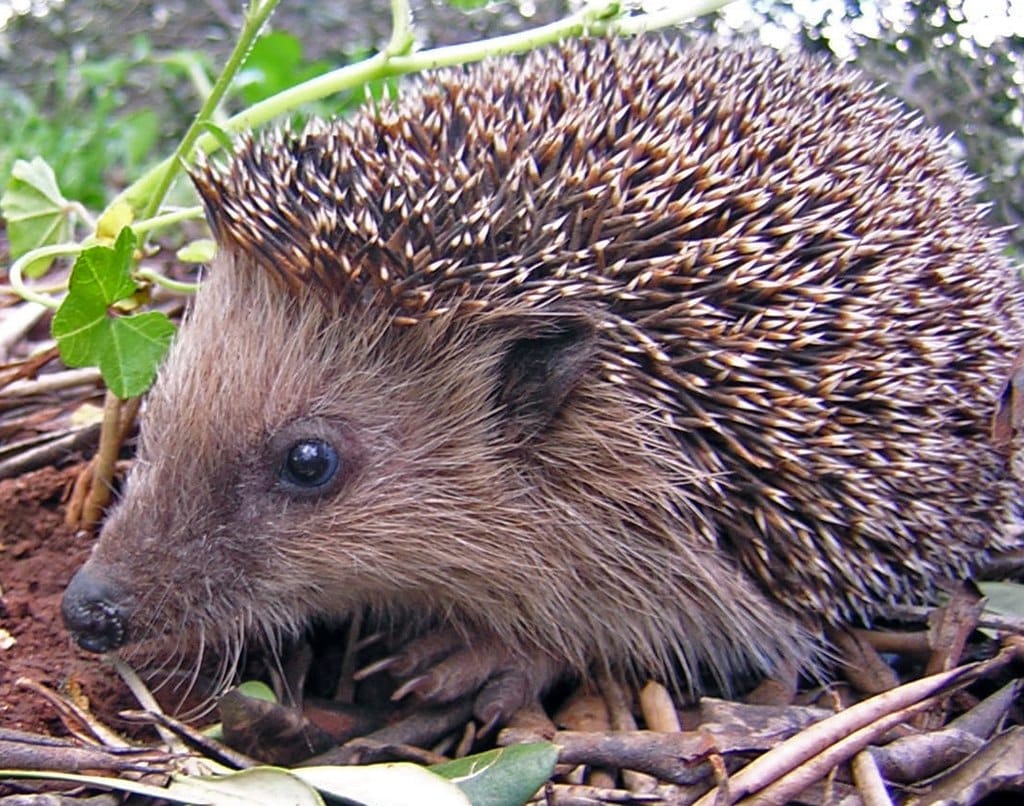
The European hedgehog (*Erinaceus europaeus*) is a small, nocturnal, insectivorous mammal. Known for its 6,000 to 8,000 spines, it is an animal protected under Italian law. It hibernates in winter and plays a valuable role in the ecosystem by feeding on insects and snails.
Key Characteristics Natural Defense: When it feels threatened, it curls up into a ball by contracting a strong dorsal muscle. Diet: It is primarily insectivorous. It feeds on beetles, grasshoppers, earthworms, and occasionally fruit. Hibernation: In autumn, it accumulates fat reserves to survive the winter in hibernation, awakening in the spring.